Home Improvement Loans: A Complete Guide
What do you mean by home improvement loans?
Home improvement loans are loans specifically designed to help homeowners finance renovations, repairs, or upgrades to their existing homes. These loans can come in various forms, such as personal loans, home equity loans, or home equity lines of credit (HELOCs). They provide homeowners with the funds they need to improve their living space without having to pay for the entire project upfront.
How do home improvement loans work?
When you take out a home improvement loan, you are borrowing a specific amount of money from a lender with the understanding that you will repay the loan amount plus interest over a set period of time. The terms of the loan, including the interest rate, repayment schedule, and loan amount, will vary depending on the type of loan you choose and your financial situation.
What is known about home improvement loans?
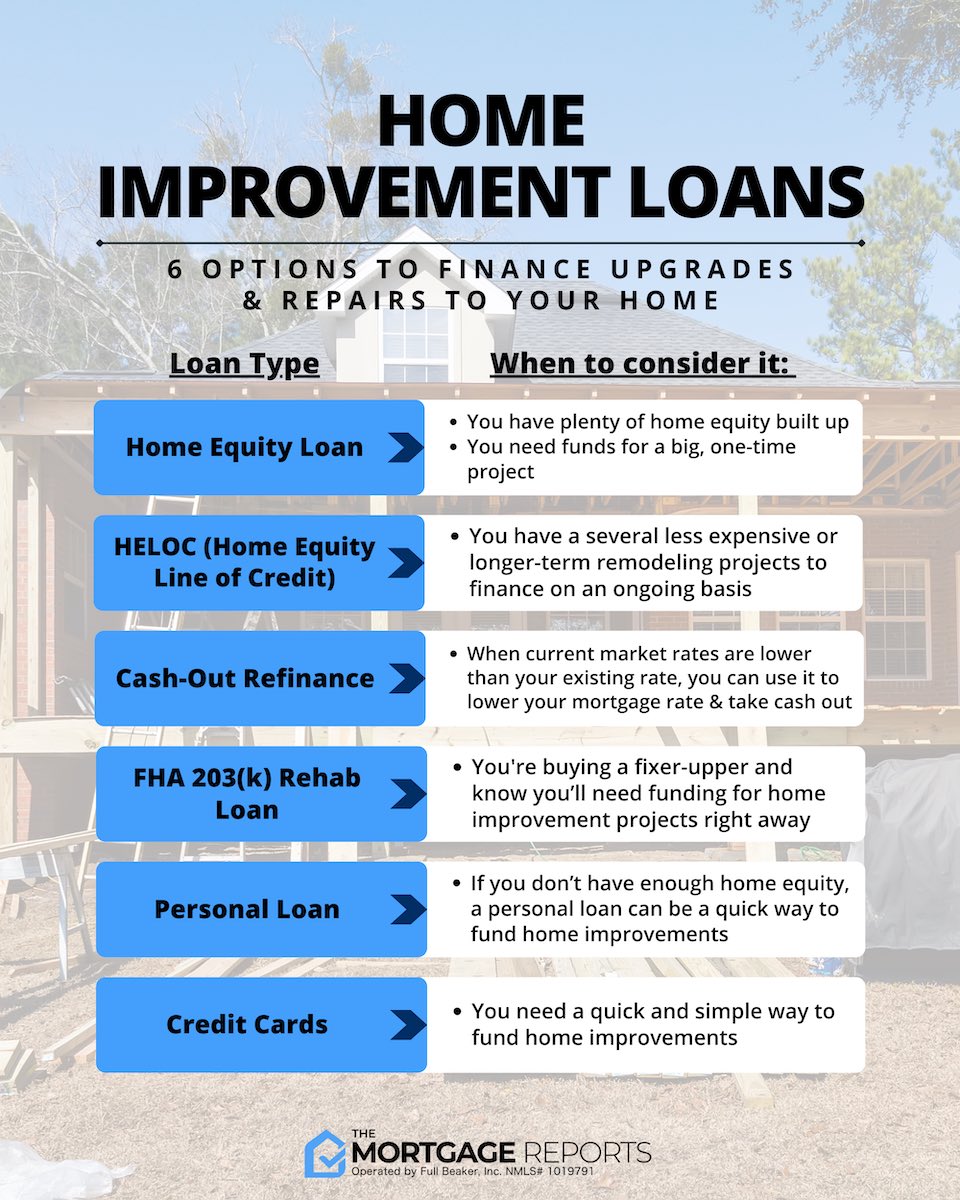
Image Source: themortgagereports.com
Home improvement loans are a popular way for homeowners to finance renovations, repairs, or upgrades to their homes. These loans can provide homeowners with the funds they need to make necessary improvements without having to deplete their savings or retirement accounts. Home improvement loans can also be a good option for homeowners who do not have enough equity in their home to qualify for a home equity loan or HELOC.
Solution: Finding the right home improvement loan for you
There are several types of home improvement loans available to homeowners, each with its own benefits and drawbacks. To find the right loan for your needs, it’s important to consider factors such as your credit score, the amount of equity you have in your home, and the size and scope of your renovation project. Here are some common types of home improvement loans:
Personal loans: Personal loans are unsecured loans that can be used for a variety of purposes, including home improvements. These loans typically have fixed interest rates and repayment terms, making them a predictable and straightforward option for financing projects of any size.
Home equity loans: Home equity loans allow homeowners to borrow against the equity in their homes. These loans typically have lower interest rates than personal loans, making them an attractive option for larger renovation projects. However, home equity loans require homeowners to have a certain amount of equity in their home to qualify.
Home equity lines of credit (HELOCs): HELOCs are revolving lines of credit that allow homeowners to borrow against the equity in their homes as needed. These loans have variable interest rates and flexible repayment terms, making them a versatile option for ongoing or unpredictable renovation projects.
Government-backed loans: Some government agencies offer loan programs specifically designed to help homeowners finance energy-efficient or accessibility improvements. These loans may have more lenient qualification requirements and lower interest rates than traditional loans, making them a good option for certain types of projects.
Once you have decided on the type of home improvement loan that is right for you, it’s important to shop around and compare rates and terms from multiple lenders. This will help ensure that you get the best deal possible and avoid overpaying for your loan.
Information about home improvement loans
Before you take out a home improvement loan, it’s important to understand how these loans work and what to expect during the borrowing process. Here are some key pieces of information to keep in mind:
Interest rates: The interest rate on your home improvement loan will have a significant impact on the total cost of your project. Make sure you understand whether the rate is fixed or variable, and how it will affect your monthly payments.
Loan terms: The terms of your home improvement loan, including the repayment schedule and any fees or penalties, can vary significantly from one lender to another. Be sure to read the fine print and ask questions about anything you don’t understand before signing on the dotted line.
Loan amounts: The amount you can borrow with a home improvement loan will depend on factors such as your credit score, income, and the value of your home. Make sure you have a clear understanding of how much you can borrow and how you plan to use the funds before applying for a loan.
Collateral requirements: Some home improvement loans, such as home equity loans, require borrowers to use their home as collateral. This means that if you fail to repay the loan, the lender may have the right to foreclose on your home. Make sure you are comfortable with the collateral requirements before taking out a loan.
Repayment options: When it comes to repaying your home improvement loan, you will typically have several options to choose from, including monthly payments, biweekly payments, or lump-sum payments. Make sure you understand the pros and cons of each repayment option before selecting the one that works best for your budget and financial goals.
Conclusion
Home improvement loans can be a valuable tool for homeowners looking to make renovations, repairs, or upgrades to their homes. By understanding the different types of loans available, how they work, and what to expect during the borrowing process, you can find the right loan for your needs and budget. Whether you choose a personal loan, home equity loan, HELOC, or government-backed loan, a home improvement loan can help you achieve your renovation goals without breaking the bank.
Frequently Asked Questions (FAQs)
1. Can I use a home improvement loan for any type of project?
Yes, home improvement loans can typically be used for a wide range of projects, including renovations, repairs, upgrades, and additions to your home. However, some lenders may have restrictions on the types of projects they will finance, so be sure to check with your lender before applying for a loan.
2. How long does it take to get approved for a home improvement loan?
The approval process for a home improvement loan can vary depending on the lender, the type of loan you choose, and your financial situation. In general, it can take anywhere from a few days to a few weeks to get approved for a home improvement loan, so it’s important to plan ahead and allow enough time for the approval process.
3. What is the difference between a home equity loan and a HELOC?
A home equity loan is a lump-sum loan that allows homeowners to borrow against the equity in their homes, while a HELOC is a revolving line of credit that also allows homeowners to borrow against their equity but with more flexibility in terms of when and how much they borrow. Both types of loans have their own benefits and drawbacks, so it’s important to understand the differences before choosing one.
4. Are home improvement loans tax-deductible?
In some cases, the interest you pay on a home improvement loan may be tax-deductible if the loan is used to make capital improvements to your home. However, tax laws can be complex and may vary depending on your individual situation, so it’s always a good idea to consult with a tax professional before assuming that your loan is tax-deductible.
5. What should I consider before taking out a home improvement loan?
Before taking out a home improvement loan, it’s important to consider factors such as your credit score, income, the value of your home, the cost of the project, and your ability to repay the loan. By carefully evaluating these factors and comparing loan options from multiple lenders, you can find the right loan for your needs and budget.
home improvement loans